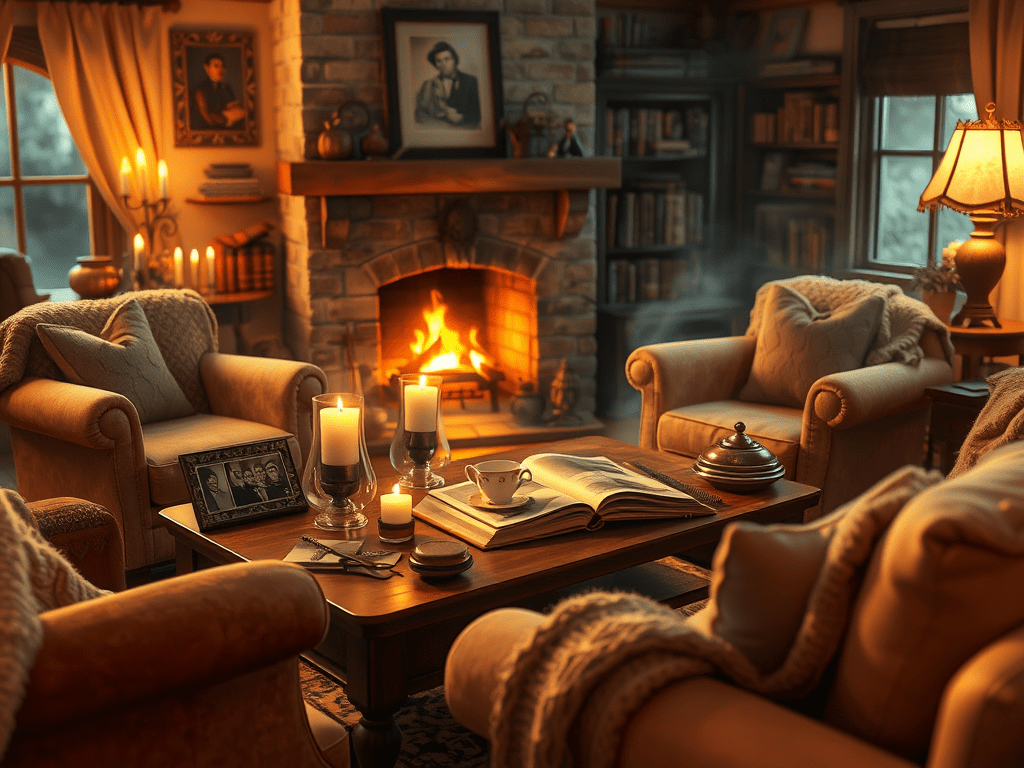
Hosting a family history evening is a wonderful way to preserve your family’s stories and heritage, creating an opportunity for loved ones to gather, reminisce, and celebrate the past. In a world that moves so quickly, these moments are a way to slow down, connect, and capture memories that can be passed down through generations. Here’s a guide to hosting a meaningful and memorable family history evening, along with 20 questions to spark conversation and uncover cherished memories.
Step 1: Set the Scene with a Cozy, Nostalgic Atmosphere
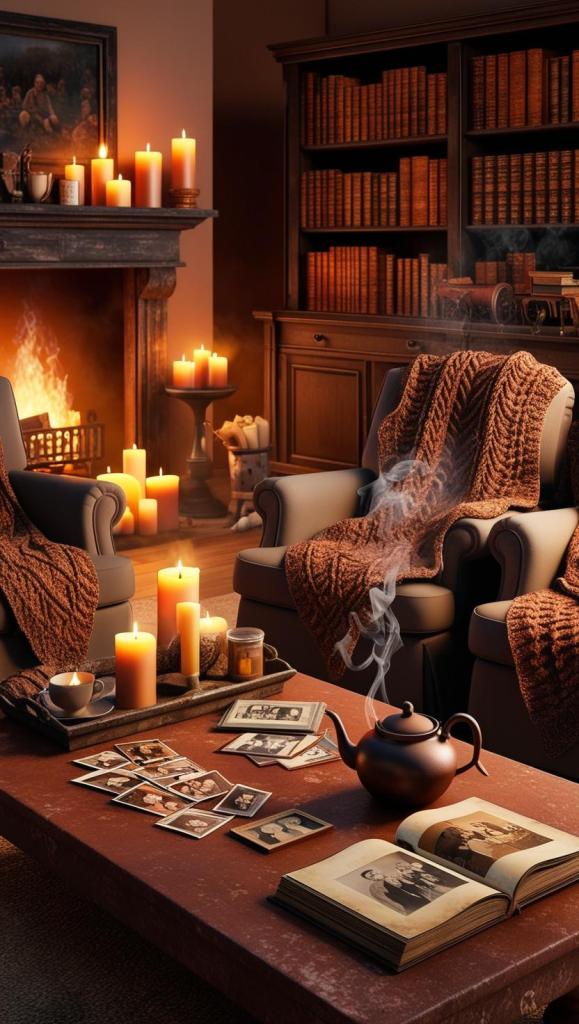
To make the evening feel warm and inviting, create an ambiance that encourages everyone to settle in and share stories.
- Dim the lights and light a few candles for a soft, nostalgic glow.
- Arrange comfortable seating where everyone can see and hear each other easily.
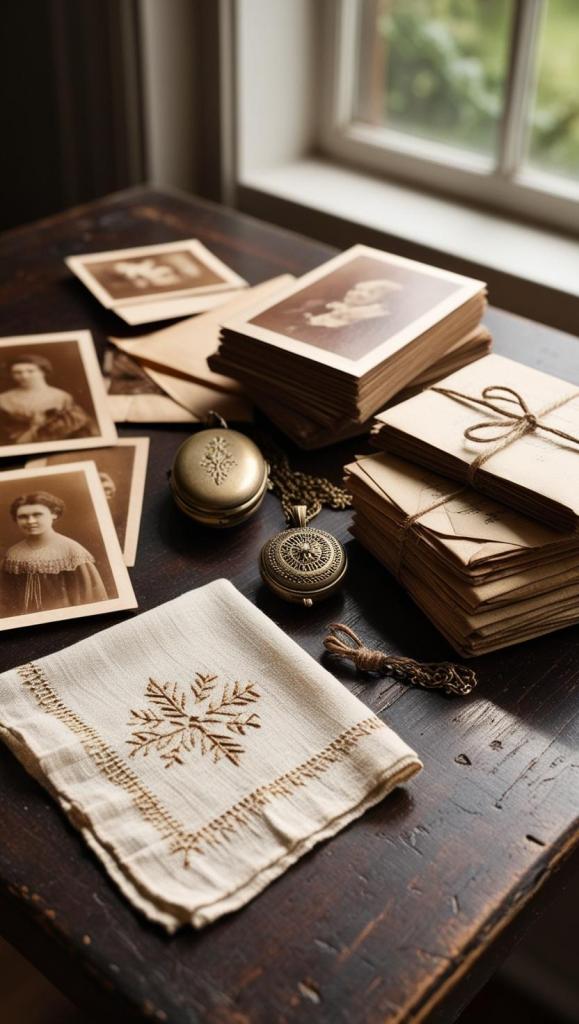
- Display old family photos or heirlooms on tables around the room.
- Play soft background music from past decades to set the mood.
Step 2: Serve Comforting, Heirloom-Inspired Foods
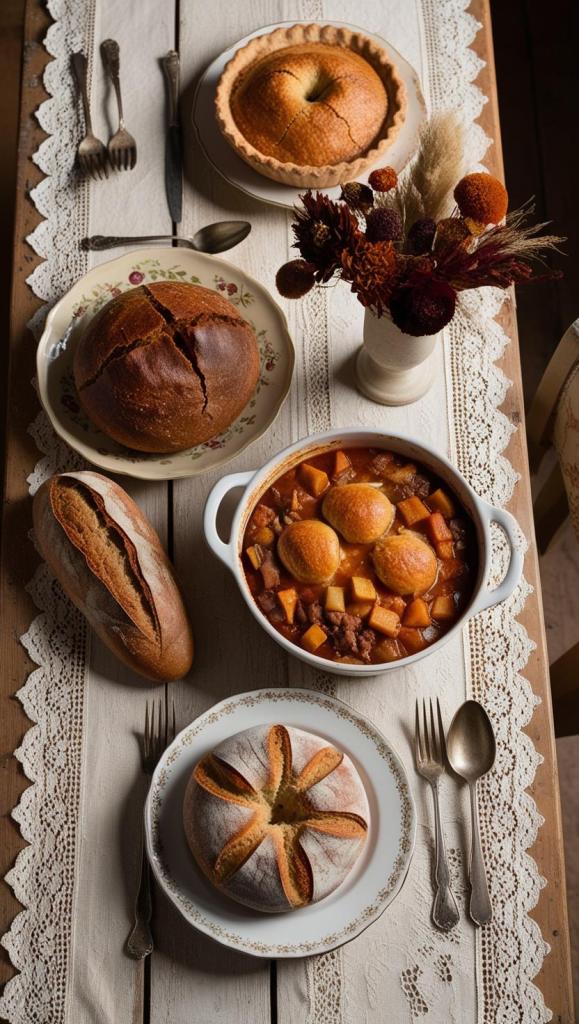
Food has a way of evoking memories, so include a few dishes that remind your family of past gatherings or beloved relatives. Consider recipes that have been passed down, or ask each family member to bring a dish that holds special meaning to them. Serve food in family-style dishes to encourage sharing, and set out a few treats to snack on throughout the evening, like cookies or pie.
Step 3: Prepare Questions to Spark Conversation
Have a list of questions ready to encourage everyone to share their stories. These questions can help your family dive into their memories and may reveal new stories you haven’t heard before. Here are 20 thoughtful questions to have on hand:
- What are some of your earliest memories of your childhood home?
- What traditions did your family have when you were young?
- Who were some of your favorite relatives, and what did you admire about them?
- How did your parents or grandparents meet?
- What was your favorite family vacation, and what made it so memorable?
- What family recipes do you remember from your childhood?
- What hobbies or activities did your family enjoy together?
- Do you have any special memories from family holidays?
- What was the best advice a family member ever gave you?
- What role did religion or spirituality play in your family life?
- What was the family’s view on education, and did anyone pursue an unusual career?
- Are there any unusual or funny family stories that have been passed down?
- What historical events affected your family, and how did they impact your lives?
- What was your relationship with your siblings like growing up?
- Do you know any stories about where our family came from originally?
- What’s something about your childhood that you don’t think kids today would understand?
- What role did music play in your family, and what songs or artists do you remember?
- Are there any special objects or heirlooms that have been passed down in our family?
- What were your parents like when they were younger?
- Is there a family mystery or story that you’ve always wanted to know more about?
If you want even more questions, you could use a pre-made set here.
Step 4: Create a Way to Record the Evening
Consider recording the evening so that future generations can listen to or watch these stories. You could:
- Use a simple audio recorder or just your phone to capture the conversations.
- Take 5 minute videos of the interview so it’s easier to upload or condense later if there are lulls in the conversation
- Assign someone to take notes or create a scrapbook of the stories.
- Set up a camera on a tripod if your family is comfortable being filmed.
Make sure everyone knows they’re being recorded so they feel comfortable, and reassure them that the recordings are just for family.
Step 5: Encourage Participation and Reflection
To help everyone feel included and engaged, consider these tips:
- Pass around family photos and ask people to share any memories related to them.
- Invite each person to share a favorite family tradition or memory.
- Use prompt cards or slips of paper with questions, allowing family members to draw one at a time and answer.
- End the evening by reflecting on the most memorable stories, or ask each person to share one thing they learned.

Step 6: Plan a Follow-Up Tradition
A family history evening doesn’t have to be a one-time event. You could plan to gather once a year or during family holidays to continue sharing memories and preserving your history. Over time, you may discover new stories, add more family members, and create a cherished tradition that keeps your family connected across generations.
Hosting a family history evening is an unforgettable way to honor the past, capture the present, and leave a legacy for the future. By taking the time to share and record stories, you’re helping to ensure that each member of your family can feel connected to the rich tapestry of those who came before.


 Heirloom Hearth
Leave a comment